Physiotherapists stay in the slipstream between function and feeling. We work to bring back activity, yes, but every strategy hinges on whether a person can tolerate the trip. Discomfort flexes pose, disrupts rest, misshapes motor control, and can intestine an encouraging rehabilitation program. That is why formal pain administration training, and particularly the national unit PUAEME008 Give discomfort monitoring, is worthy of a clear explanation from a physical rehabilitation viewpoint. Numerous medical professionals listen to the code, recognize it associates with prehospital and emergency contexts, and ask yourself exactly how it converts to everyday practice. The brief response: it includes a strong, safety-focused layer to your medical skill set, specifically for acute pain circumstances, urgent care setups, outreach job, and multidisciplinary atmospheres where timely analgesia and organized assessment matter.
Where PUAEME008 suits the landscape of pain education
Pain management programs can be found in lots of flavors. Some target the biopsychosocial viewpoints underpinning relentless discomfort. Others focus on pharmacology and governance, commonly made for nursing or paramedical team. After that there are brief courses in pain administration that focus firmly on acute presentations: bone and joint injury, postoperative pain in community setups, or serious flare-ups of persistent conditions. PUAEME008 sits in that last team. It is a useful, competency-based system developed around the secure shipment of short-term analgesia within specified protocols, paired with organized analysis, documentation, and escalation.
For physiotherapists that deliver treatment in immediate treatment, sporting activities sideline atmospheres, community and country outreach, or integrated primary care centers, the device sets well with core physio abilities. It does not change a certificate course hurting monitoring that checks out central sensitization or inspirational talking to, and it is not a replacement for an extensive discomfort administration accreditation that spans months. It is a focused credential that reinforces acute pain decision-making under professional governance.
What "supply discomfort management" suggests in this context
PUAEME008 Give discomfort monitoring includes 3 pillars: analysis, treatment within scope, and examination with documentation. Analysis is not just a 0 to 10 numerical score. It asks you to gather system, warnings, comorbidities, allergic reactions, and prospective drug communications, after that make a decision if instant analgesia is proper or if you require to escalate to medical care. Treatments covered normally focus on authorized, protocol-driven options like inhaled analgesia or oral representatives allowed in your territory and office plans. The assessment item is extensive: reassess discomfort at specified intervals, observe for negative impacts, and document to ensure that the following clinician gets a tidy handover.
Physiotherapists are typically trained to think motion first. In the acute setup, motion hinges on pain tolerability and security. With PUAEME008, you are trained to make a decision, within your range and local authorization, whether temporary analgesia helps you do a more secure assessment, reduce distress, and assist in transport or referral. The device additionally hones your judgment concerning when not to offer analgesia, such as in presumed abdominal emergency situations requiring surgical testimonial or in head injury where altered mental status clouds the picture.
What the device normally covers
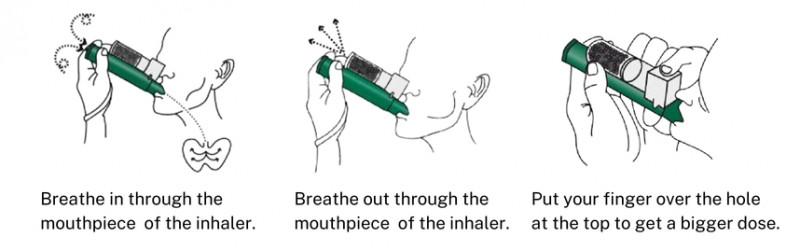
The specifics vary by carrier, yet a strong pain monitoring program lined up to PUAEME008 shares common strings: fundamental pain science, threat testing, pharmacology fundamentals pertinent to frontline treatment, non-pharmacological approaches you can execute immediately, https://www.tumblr.com/erraticflameenvoy/800444136265252864/fast-track-discomfort-management-certificate and robust protocols for paperwork and handover. The training normally includes simulated circumstances with time stress and insufficient details, which mirrors real-life problems remarkably well. You can anticipate ability stations on inhaled analgesia if allowed locally, useful opioid safety conversations, and recognition of adverse reactions like hypotension, respiratory system anxiety, or paradoxical agitation.
A well-run program will certainly worry systems thinking. Discomfort management training is not almost the medication; it has to do with radios that function, set checks that catch running out cyndrical tubes, and consistent auditing that shuts safety and security loopholes. As a physio therapist, you will certainly acknowledge the alongside taping tables inspected before sport, or drive examinations standardized for inter-rater reliability. PUAEME008 is that way of thinking, applied to acute pain.
Why physio therapists benefit
Pain is the rate-limiting consider several physical rehabilitation paths. Acute side ankle joint sprains, rib contusions, spinal flare-ups, glue capsulitis during serious phases, and post-fracture tightness all test the patient's threshold. In team sports and community emergency situations, you might be the elderly medical professional on scene. Structured training enables you to stabilize, alleviate discomfort safely, and refer with clean paperwork. In centers that sustain post-surgical individuals, the ability to acknowledge inadequately managed discomfort early, change non-pharmacological actions, and rise or communicate with medical coworkers can avoid problems like motion evasion and readmission.
I recall a Saturday early morning center in a rural town, where the closest immediate treatment was an hour away. A ranch worker got here with a presumed rib crack after being crushed briefly by an entrance. Without training, the default would certainly have been to paralyze and send him on. With pain management training and proper procedures in position, we made use of a short-acting inhaled agent, checked him carefully, and improved his ventilation enough to reduce splinting. That made transportation safer and his distress workable. The difference was not heroic medication, it was protocols carried out properly.
Comparing course types for different clinicians
Physiotherapists frequently share discovering spaces with nurses and paramedics hurting administration training courses. The diversity aids. Registered nurses bring deep drug safety and security experience, while physios add mechanical assessment and movement-focused strategies. The overlap focused in the system boosts interprofessional communication. Pain management training for registered nurses might lean more on medicine handling and administration policy. Pain monitoring courses for physio therapists usually emphasize analysis connected to operate, bracing placements, and instant activity techniques that decrease nociception. When mixed cohorts discover with each other, they merge on a shared language of danger and response, which carries into everyday collaboration.
For those who desire wider deepness, a discomfort management accreditation course or a longer certification course in pain administration can discover chronic pain neurobiology, graded direct exposure, cognitive strategies, and case-coordination. Short training courses hurting administration, including PUAEME008, fit best when you need to hone emergency situation discomfort management and intense decision-making.

Scope, permission, and the reality of practice
A bottom line: PUAEME008 Supply pain administration is not a freebie to carry out anything you such as. Range continues to be linked to laws and company plan. Even within protocol-based authority, you will be assisted by incorporation and exemption criteria, dosage arrays, tracking demands, and compulsory reporting. Prior to you publication, check whether your practice establishing authorizes non-medical medical professionals to supply specific representatives. Exclusive facilities may call for a standing order or medical governance. Sporting companies may currently have a plan framework for match-day coverage. Area health services frequently have established drug registers and audit pathways.
The finest companies of pain management training courses will inquire about your setting and tailor functional components to what you can really apply. If you can not carry out breathed in analgesia where you work, you can still get from innovative analysis drills, non-pharmacological tools, and rise planning. The certificate you receive must mirror the expertises you were analyzed versus, not hypothetical permissions.
Core skills the unit sharpens
Pain analysis relocates past asking exactly how bad it is. With the device, you find out to triangulate extent with impact, pattern, and warning screens. Mechanism guides uncertainty. An inversion injury with a high-grade sprain provides differently to a midfoot injury where you could require to dismiss a Lisfranc injury. Rib pain with crepitus and superficial breathing raises concerns regarding pneumonia risk if splinting lingers. A clean discomfort administration certificate shows that you can link this reasoning to prompt actions, not just chart notes.
You will likewise exercise titration and reassessment. Many analgesic options job best when you deliver the tiniest reliable dosage, then reassess right away. The course trains you to identify time points, capture vital indications, and anchor discomfort modifications to useful outcomes like boosted stride or capacity to take a complete breath. That practical lens is where physio therapists stand out, and the device provides you language to document modifications with precision.
Non-pharmacological tools stay central
Even in an offer pain administration course, the non-drug approaches project. Positioning can de-load irritable cells in seconds. A patient with severe back discomfort may tolerate side-lying with small hip and knee flexion better than supine. Gentle isometrics for the potter's wheel cuff can wet discomfort with spinal-level gating. Ice or warm still belong, but only when client preference and tissue state align. For rib injury, we frequently integrate lateral costal growth breathing with supported coughing methods to prevent atelectasis, since well-managed technicians lower pain with both physiology and viewed control.
A solid training course will instruct you to pair these strategies with analgesic options when ideal. The synergy issues: a small reduction suffering can unlock activity, and movement can further lower pain. That virtuous cycle underpins boosted end results after the acute phase.
Documentation that stands under scrutiny
In the thrill, documents feels like a chore. Actually, it is a safety net and a gift to the following clinician. PUAEME008 highlights clear, understandable, time-stamped notes. Record standard vitals, discomfort rating, and location. Keep in mind allergies, recent drugs, and the decision pathway to supply or keep analgesia. If you administer a medication, include dosage, course, whole lot number when required, time of management, observed response, and negative impacts. For physio therapists, include practical monitorings: assisted sit to stand boosted from maximum to modest assist after treatment, stride range raised from 5 to 25 meters, or thoracic growth enhanced by 2 centimeters at the axillary line. Those information make your handover actionable.
Patient communication and assumption setting
People bear in mind just how you made them really feel throughout discomfort episodes. Discuss what you are doing, why, and what to expect. If supplying breathed in analgesia, describe the beginning, potential adverse effects like wooziness, and how you will certainly check them. If you choose not to supply a medication because of warnings, state so simply and explain the plan for urgent recommendation. That openness builds trust. For persistent pain flare-ups, framework your non-pharmacological approaches as active options, not alleviation prizes. Educate small, achievable motions that show immediate control. When a patient notifications a 20 percent change in pain with breath-coordinated activity, they lean in.
Quality and security culture
The best pain administration training programs make safety noticeable. Devices checks end up being regular. Group briefs walk through duties if a person degrades. Simulation includes uncommon but essential occasions such as anaphylaxis or unexpected hypotension. After every circumstance, debriefs check out both technical and non-technical skills: situational understanding, interaction, and workload administration. If your workplace does not yet have a formal structure for this, bring the habits you find out back to your group and start little. A weekly five-minute huddle and a shared supply list are modest actions that avoid problems.
Selecting a carrier that matches your needs
Not all courses are equivalent, and physio therapists ought to try to find a program that values their scope and enhances their toughness. Aim for a company with experienced teachers from emergency, paramedicine, or innovative nursing, who also recognize allied health contexts. Analysis should be genuine, with observed functional elements, not simply a multiple-choice examination. Scenario realism matters. Ask if they consist of documents drills, handover practice, and non-pharmacological methods along with pharmacology. Verify that the discomfort monitoring certificate you obtain states the device code PUAEME008 and the proficiencies analyzed, given that this eases acknowledgment with companies and credentialing bodies.
If your objective is wider than acute treatment, think about matching PUAEME008 with a longer discomfort monitoring accreditation course that looks into relentless discomfort. Several physio therapists gain from that combination: severe stablizing abilities with depth in rehabilitation-oriented discomfort science.
How the device plays out in day-to-day physiotherapy
Picture a busy bone and joint center on a Monday. A client arrives post ankle joint inversion with swelling and protected activity. You screen for Ottawa ankle joint rules, paper weight-bearing standing, and identify no red flags. Non-pharmacological steps bring their discomfort from 8 to 6, however they still can not tolerate talocrural joint assessment. Under method and with authority, you give a short-acting analgesic, monitor, and within minutes reassess. Now you can run through stress tests, validate most likely grade, provide a useful support, and develop early loading criteria. The enhanced experience establishes the tone, and your plan sticks.
Now shift to an area home see. An older grownup with osteoporotic vertebral crack is hyperventilating https://postheaven.net/searyndhvc/discomfort-administration-courses-for-nurses-puaeme008-pathway and securing. You coach breathing and gentle positional adjustments, yet the pain continues to be serious. You call the obligation medical officer, escalate properly, and record extensively. Also if you can not administer analgesia, your PUAEME008 training develops your handover, rates care, and maintains the person safer.
Governance, audit, and the long memory of systems
Any work environment that allows non-medical clinicians to provide analgesia ought to have tight governance. That consists of regulated storage space, stock settlement, expiration tracking, and case reporting. PUAEME008 reinforces this with sensible regimens. The device educates you to track patterns: Are you constantly requiring added doses for similar discussions? Are unfavorable impacts clustering at certain times or particularly environments? That comments loophole results in method updates and far better results. In sports programs, for instance, fad analysis may alter sideline plans for hydration and warm administration, which indirectly minimizes pain episodes and cramping.
Integrating with more comprehensive discomfort education
If PUAEME008 is your initial organized pain management course, you will likely end up starving for more. That is the appropriate feeling. Acute pain proficiency is a foundation. From there, think about courses on persistent pain that cover rated motor imagery, discomfort education and learning methods crafted for different health and wellness literacy degrees, and pacing methods that shield feature without driving anxiety. Physio therapists concentrating on complex pain frequently go after a pain monitoring qualification via university-affiliated programs or colleges, often piled as micro-credentials. Those paths match the emergency discomfort monitoring emphasis of PUAEME008, offering you a full range from first-hour like lengthy arc rehabilitation.
Cost, time, and reasonable expectations
Most suppliers deliver PUAEME008 in a one to two day layout, with pre-reading to speed the practical job. Expenses vary by region and company, frequently touchdown in an array comparable to other short courses in pain management. What issues greater than period is the intensity of simulation and top quality of analysis. Expect to resolve tiredness and obscurity. Expect to be observed and to obtain straight responses. If a program supplies a quick certificate without sweat, look elsewhere.
Remember that a discomfort monitoring certificate is the start of your authorization journey, not completion. Your employer needs to acknowledge the system, your range must be recorded, and you need to complete work environment inductions certain to medication handling and event monitoring. Maintain duplicates of all files and ensure your specialist indemnity covers the tasks you intend to perform.
A short, useful structure physiotherapists can use tomorrow
- Screen quick for red flags, allergic reactions, and recent drugs, after that determine: analgesia currently within range, or immediate escalation. Pair tiny analgesic gains with precise motion treatments that show instantaneous feature modification, even if modest. Reassess on the clock: capture vitals and practical markers at pre-set periods, not "whenever." Document as if handing the instance to an associate you value, since you most likely will. Debrief each case with your group and update neighborhood checklists if you find system flaws.
Edge cases and judgment calls
Practice hardly ever complies with the manuscript. Clients under-report discomfort out of stoicism or worry of medicines. Others over-report out of stress and anxiety or prior unfavorable experiences. Language obstacles complicate scales. Inhaled agents can trigger transient ecstasy that amazes assessment, so you need to divide impact from analgesia. Rib injury patients can degrade in spite of steady very early vitals. Individuals with persistent opioid usage may not reply to standard doses, which lures acceleration that goes beyond extent. PUAEME008 does not make these troubles vanish. It offers you framework to browse them without wishful thinking.
As a physiotherapist, your lens continues to be feature. Even in obscurity, anchor decisions to whether the individual can take a breath, relocate, and safeguard themselves securely. When unsure, escalate. No certification changes scientific humility.
Bringing all of it together
Pain administration training courses aid clinicians react to one of the most human part of their work: suffering. For physiotherapists, PUAEME008 Provide pain monitoring includes functional skills in acute situations, enhances interprofessional language, and improves the means we link pain control to movement end results. It does not establish you up as a prescriber or pain specialist by itself. It does not assure perfection in messy situations. What it delivers is disciplined analysis, safer prompt treatment, and paperwork that respects the following action in the chain.
When you select a carrier, try to find scenario-rich mentor, actual assessment, and an educational program that honors your extent. Use the pain monitoring certificate as a bar to enhance local governance and team routines. Then keep going. Layer the device with deeper study in persistent discomfort, embed non-pharmacological proficiency, and use your distinct physiotherapy ability to transform short analgesic home windows into resilient practical gains. That is the work. It is truthful, commonly unglamorous, and deeply worthwhile.